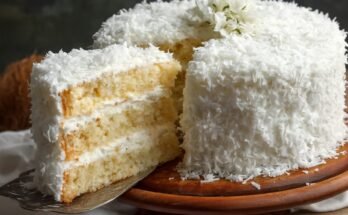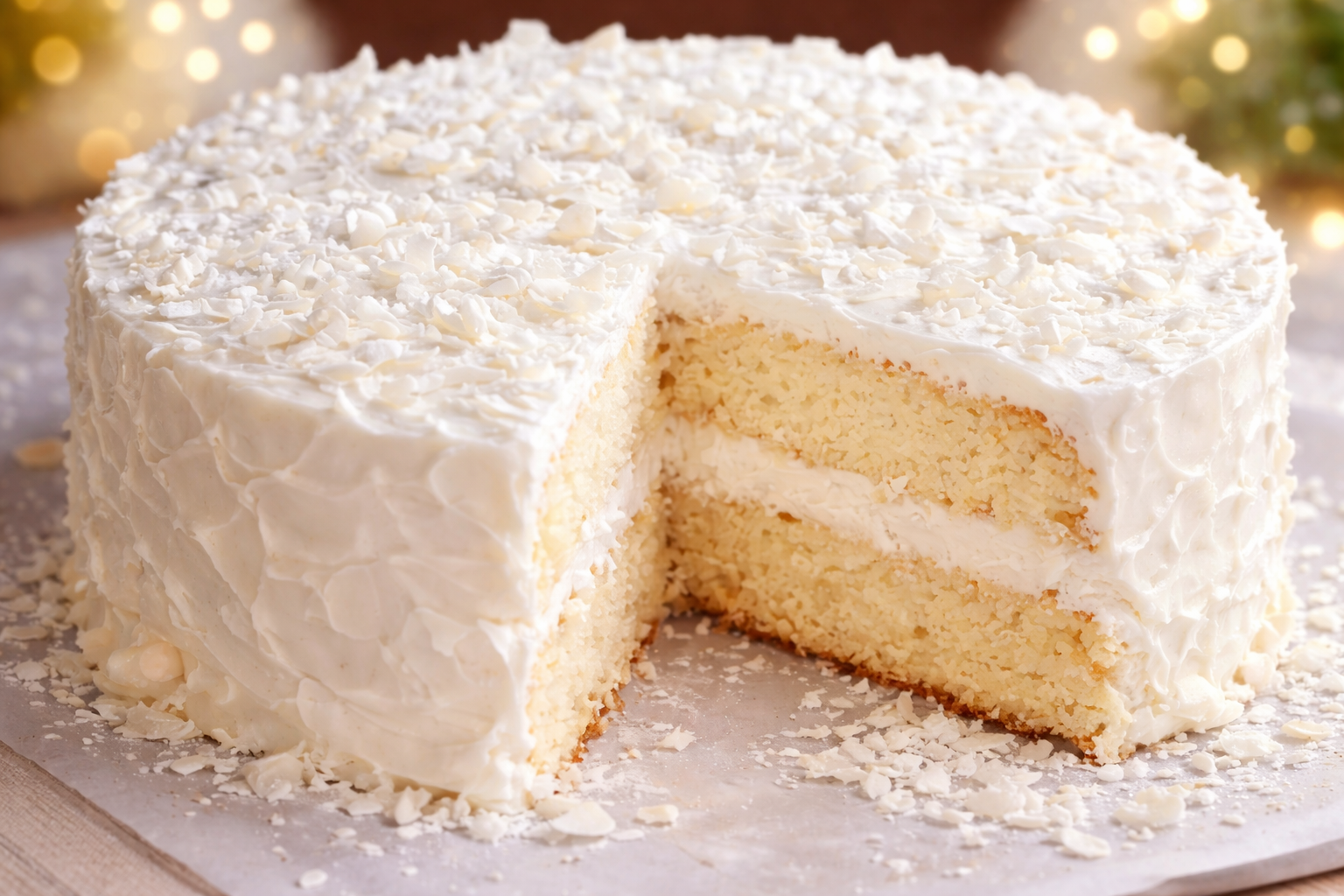
I’ve discovered that there’s something utterly magical about the first bite of my Coconut Velvet Cake. The way the soft, moist crumb yields to your fork, releasing gentle wafts of tropical coconut aroma – it’s like being whisked away to a beachside paradise with each taste. Have you ever craved a dessert that feels like both an indulgence and a comfort? This cake holds a special place in my heart because it effortlessly blends luxurious texture with familiar flavors, making it perfect for those milestone celebrations, yet simple enough to brighten an ordinary Tuesday when you deserve a little sweetness in your life.
Why You’ll Love This Recipe
I believe this Coconut Velvet Cake stands out for so many reasons:
- The combination of buttermilk and oil creates an incredibly tender crumb that stays moist for days after baking.
- Cream cheese in the batter adds a subtle tanginess that perfectly balances the sweetness of the cake.
- The coconut extract infuses every bite with tropical flavor without overwhelming your palate.
- The seven-minute frosting creates a cloud-like topping – billowy and light, yet substantial enough to complement the cake’s velvety texture.
- This recipe delivers professional-level results with straightforward techniques that work for bakers of all experience levels.
- The cake’s rich yet light texture makes it versatile for both special occasions and well-deserved everyday treats.
- I’ve found that the balance of flavors improves slightly after a day, making this perfect for make-ahead entertaining.
Ingredients for This Recipe
- Cream Cheese: The tangy backbone that provides depth and richness. I always use full-fat for the silkiest texture and best flavor development.
- Unsalted Butter: Creates a tender, melt-in-your-mouth crumb. I recommend European-style butter for its higher fat content and superior flavor.
- Granulated Sugar: Provides sweetness and helps create the cake’s fine texture. Its crystals cut through the butter during creaming, incorporating essential air.
- Eggs: Add structure, richness, and moisture. Room temperature eggs incorporate more easily, creating a more uniform batter.
- Cake Flour: The lower protein content produces a finer, softer crumb than all-purpose flour. This is essential for the cake’s velvet texture.
- Baking Powder & Baking Soda: My dual-leavening approach ensures perfect rise while maintaining tenderness. The combination balances the acidic buttermilk.
- Salt: Enhances all flavors and balances sweetness. I use fine sea salt for even distribution throughout the batter.
- Buttermilk: Adds moisture, tenderness, and a subtle tang. The acidity activates the leavening agents and breaks down the cake’s gluten.
- Vegetable Oil: Creates incredible moisture that lasts for days. Canola oil works best due to its neutral flavor.
- Vanilla Extract: Provides a warm foundation that complements the coconut. I always use pure extract for clean, authentic flavor.
- Coconut Extract: The star flavoring agent. I find that using extract rather than just coconut milk provides a more pronounced tropical taste.
- For the Frosting: Water, sugar, cream of tartar, egg whites, and extracts create a marshmallow-like frosting. The cream of tartar stabilizes the egg whites.
- Sweetened Flaked Coconut: Adds the perfect decorative finish and reinforces the tropical flavor. Toast half for deeper flavor and visual contrast.
How to Make This Recipe
- Prepare Your Equipment: Preheat your oven to 350°F (175°C). Grease and flour three 8-inch round cake pans or line with parchment paper.
- Combine Dry Ingredients: In a medium bowl, whisk together the cake flour, baking powder, baking soda, and salt until thoroughly combined. This ensures even distribution of the leavening agents.
- Cream Butter, Cream Cheese, and Sugar: In a large bowl, beat the softened butter and cream cheese until smooth and creamy, about 2 minutes. Gradually add the sugar and continue beating until light and fluffy, about 3-4 minutes. The mixture should be pale and noticeably increased in volume.
- Add Eggs: Add eggs one at a time, beating well after each addition until fully incorporated. Scrape down the sides of the bowl as needed to ensure even mixing.
- Mix Wet Ingredients: In a separate bowl, whisk together the buttermilk, vegetable oil, vanilla extract, and coconut extract until well combined.
- Combine Wet and Dry Mixtures: Alternately add the dry ingredients and wet ingredients to the butter mixture, beginning and ending with the dry ingredients (three additions of dry, two of wet). Mix on low speed just until combined after each addition. Be careful not to overmix.
- Bake the Cake: Divide the batter evenly between the prepared cake pans. Bake for 25-30 minutes, or until a toothpick inserted into the center comes out clean with a few moist crumbs. The cake will be lightly golden on top.
- Cool the Cake: Allow the cakes to cool in the pans for 10 minutes, then remove and transfer to wire racks to cool completely before frosting.
- Make the Seven-Minute Frosting: In a heatproof bowl set over a pot of simmering water (not touching), combine water, sugar, cream of tartar, and egg whites. Beat with an electric mixer on low speed for 30 seconds, then increase to high speed and beat for 7 minutes until stiff, glossy peaks form. Remove from heat and beat in vanilla and coconut extracts.
- Assemble the Cake: Place one cake layer on a serving plate. Spread a layer of frosting over the top. Add the second cake layer and repeat. Top with the final cake layer and cover the entire cake with the remaining frosting.
- Decorate with Coconut: Press the sweetened flaked coconut onto the sides and top of the frosted cake. For visual interest, you can lightly toast some of the coconut before applying.
Expert Cooking Tips
- I always bring all refrigerated ingredients to room temperature before starting. This creates a smoother batter and more even baking.
- When measuring flour, spoon it gently into your measuring cup and level with a knife. Scooping directly can pack in 25% more flour than needed.
- The secret to extremely moist cake is not overmixing once the flour is added. I stop mixing as soon as the flour streaks disappear.
- For the seven-minute frosting, keep the mixer moving constantly and watch for firm, glossy peaks. Overbeating can create a grainy texture.
- Toast half the coconut flakes at 325°F for 8-10 minutes for a beautiful color contrast and enhanced nutty flavor when decorating.
Proper Storage
- Room Temperature: Store the cake covered at room temperature for up to 2 days. The frosting forms a slight crust that protects the cake’s moisture.
- Refrigerator Storage: Refrigerate in an airtight container for up to 5 days. I recommend removing the cake 30 minutes before serving to soften.
- Freezer Storage: Freeze unfrosted cake layers wrapped in plastic and foil for up to 3 months. Thaw overnight in the refrigerator before frosting.
- Frosting Storage: If making the frosting ahead, store it in an airtight container in the refrigerator for up to 2 days. Whip briefly before using.
Variations and Substitutions
- Dairy-Free Version: Replace butter with plant-based butter, cream cheese with dairy-free cream cheese, and buttermilk with coconut milk plus 1 tablespoon vinegar.
- Gluten-Free Option: Substitute cake flour with a high-quality gluten-free flour blend containing xanthan gum. Add an extra egg for structure.
- Coconut Milk Enhancement: Replace half the buttermilk with full-fat coconut milk for an even more pronounced coconut flavor profile.
- Tropical Twist: Add 1 cup of finely chopped dried pineapple to the batter and a dash of rum extract to the frosting for a piña colada-inspired cake.
- Toasted Coconut Layers: Mix ½ cup toasted coconut into the batter for texture variation and a deeper coconut flavor throughout the cake.
What Goes with This Recipe
- Fresh Berries: Serve with strawberries or raspberries on the side. Their bright acidity perfectly balances the cake’s sweetness and complements the coconut.
- Tropical Fruit Compote: A warm pineapple and mango compote creates an elegant dessert pairing. The caramelized fruits enhance the coconut nuances.
- Coffee or Tea: Serve with a dark roast coffee or chai tea. The robust flavors cut through the richness while highlighting the cake’s subtle spice notes.
- Coconut Ice Cream: A scoop of coconut ice cream intensifies the tropical theme. The temperature contrast between cold ice cream and room-temperature cake creates delightful sensory pleasure.
- Fruit Curds: Offer lemon or passion fruit curd on the side. The tangy fruit flavors provide a bright counterpoint to the cake’s rich sweetness.
FAQ
Can I make this cake in advance? Yes! The unfrosted layers can be made 2 days ahead or frozen for up to 3 months. Frost the day of serving.
Why did my seven-minute frosting deflate? Humidity is the likely culprit. Beat longer and add 1 tablespoon corn syrup for stability.
Can I substitute all-purpose flour? Yes, but use 2¾ cups instead of 3 and expect a slightly denser texture.
How do I prevent dry cake? Don’t overbake and measure flour correctly. A minute less baking time is better than a minute too long.
Is this cake very sweet? It’s balanced. The tangy cream cheese and buttermilk offset the sweetness of the frosting.
Soft and Rich Coconut Velvet Cake

My cloud-soft Coconut Velvet Cake combines rich cream cheese, buttermilk, and tropical coconut for an irresistibly moist dessert topped with billowy seven-minute frosting and coconut flakes.
- Prep Time: 40 minutes
- Cook Time: 30 minutes
- Total Time: 1 hour 10 minutes (plus cooling time)
- Yield: 12 servings
Ingredients
- 8 oz cream cheese, softened
- 1 cup unsalted butter, softened
- 2 cups granulated sugar
- 4 large eggs, room temperature
- 3 cups cake flour
- 2 teaspoons baking powder
- 1/2 teaspoon baking soda
- 1/2 teaspoon salt
- 1 cup buttermilk
- 1/2 cup vegetable oil (canola oil preferred)
- 1 teaspoon vanilla extract
- 2 teaspoons coconut extract
For the Coconut Seven Minute Frosting:
- 1/2 cup water
- 2 cups granulated sugar
- 1/2 teaspoon cream of tartar or 1 tablespoon white corn syrup
- 4 large egg whites
- 1 teaspoon vanilla extract
- 2 teaspoons coconut extract
For Decoration:
- 14 oz sweetened flaked coconut
Instructions
- Preheat oven to 350°F. Grease and flour three 8-inch round cake pans.
- Whisk together flour, baking powder, baking soda, and salt.
- Beat butter and cream cheese until smooth. Add sugar gradually and beat until fluffy, about 4 minutes.
- Add eggs one at a time, beating well after each addition.
- Mix buttermilk, oil, vanilla and coconut extracts in separate bowl.
- Alternately add dry ingredients and wet ingredients to butter mixture.
- Divide batter between pans and bake 25-30 minutes until toothpick comes out clean.
- Cool in pans 10 minutes, then transfer to wire racks.
- For frosting: Beat water, sugar, cream of tartar and egg whites over simmering water for 7 minutes until stiff peaks form. Add extracts.
- Stack cake layers with frosting between each layer. Cover entire cake with remaining frosting.
- Press coconut flakes onto sides and top of cake.